Journal · Northern Vietnam
How Long Should You Spend in Northern Vietnam?
Five days, seven, ten or two weeks. The useful measure is how many mornings remain after the roads and arrivals have had their share.
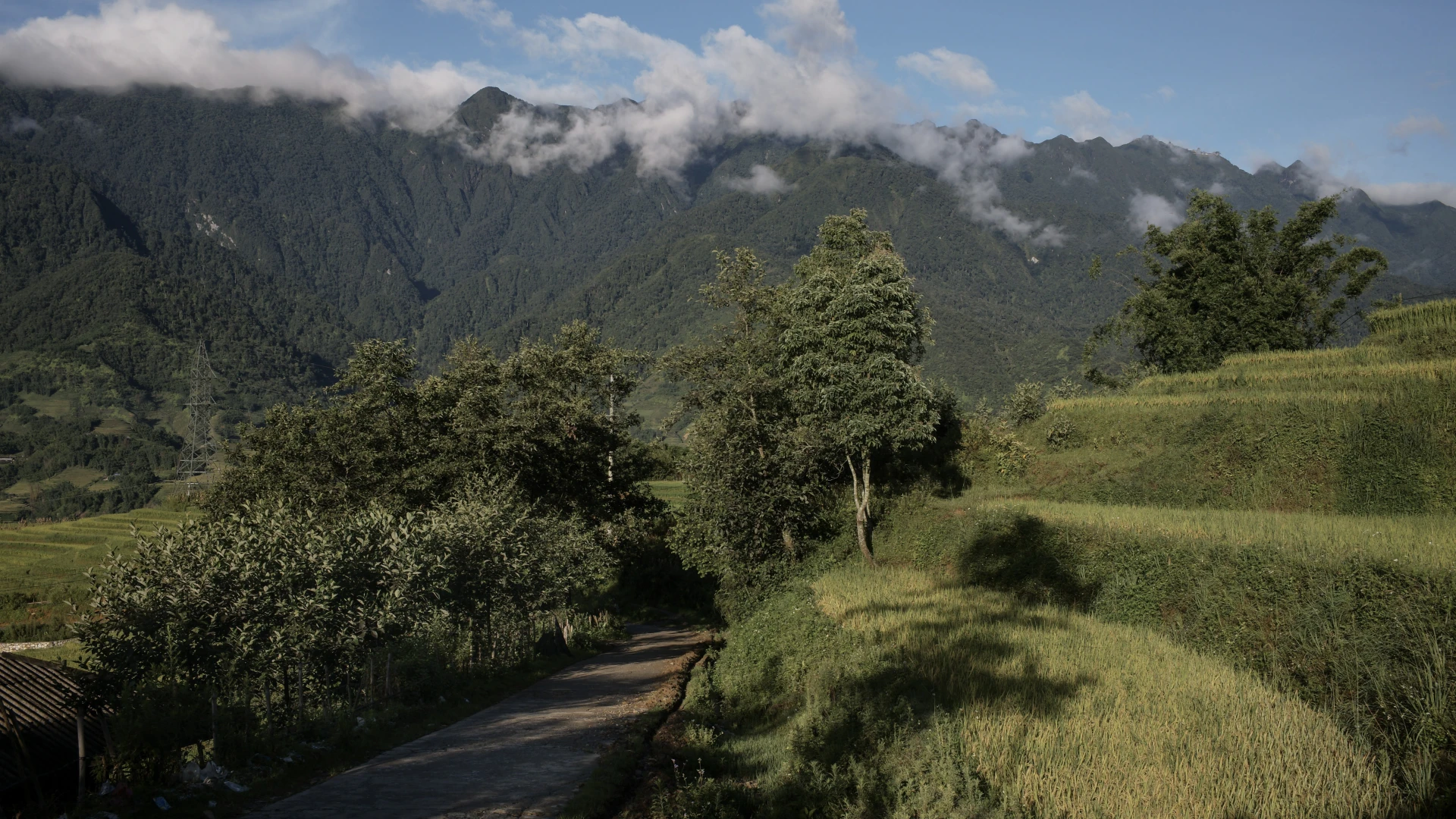
On a map, seven days can hold several places. On the road, each change of stay uses an afternoon, sometimes more. A late arrival leaves one complete day before the next departure. It is possible to see quite a lot this way, while spending very little time anywhere.
We begin with the time available, then ask what the journey will leave intact. Five days can belong to one place. Seven may connect two. Ten can give the northern mountains the time they ask for. Two weeks allow a longer route, provided the days between places have been counted honestly.
Five Days: One Place, Properly
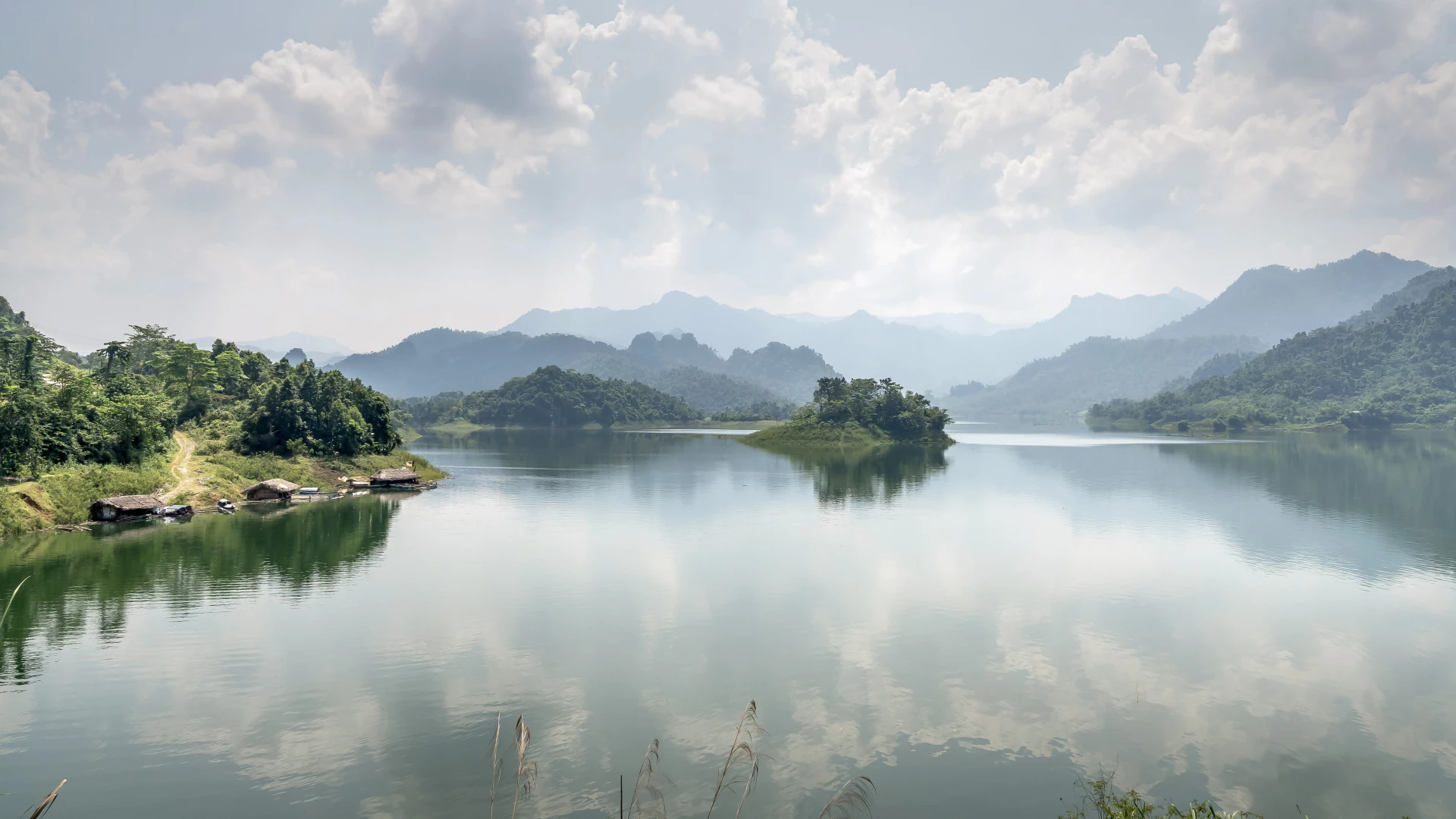
With five days, we would usually stay in one region. Pu Luong, Ninh Binh or Hoa Binh can each hold that time without needing a second destination to justify the journey.
The first day belongs partly to the road. By the time bags are set down, there may be an hour of light left and no reason to fill it. The next morning is the first one that is wholly yours.
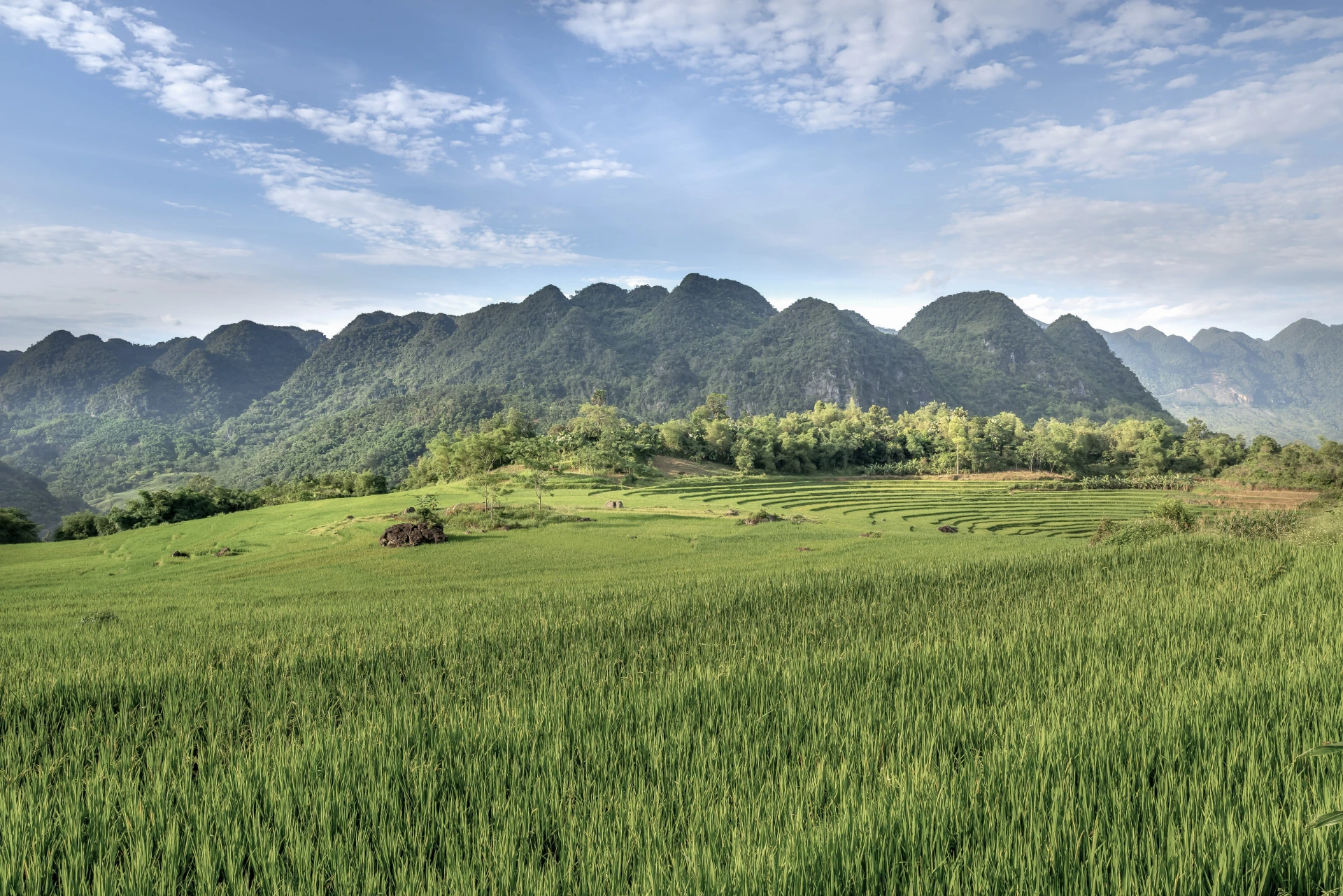
In Pu Luong, that might mean seeing the valley before the mist lifts, then returning to the same room after the day outside. Another morning no longer begins with packing. It is a modest change to the itinerary, and a considerable change to the stay.
Seven Days: When Two Places Belong Together
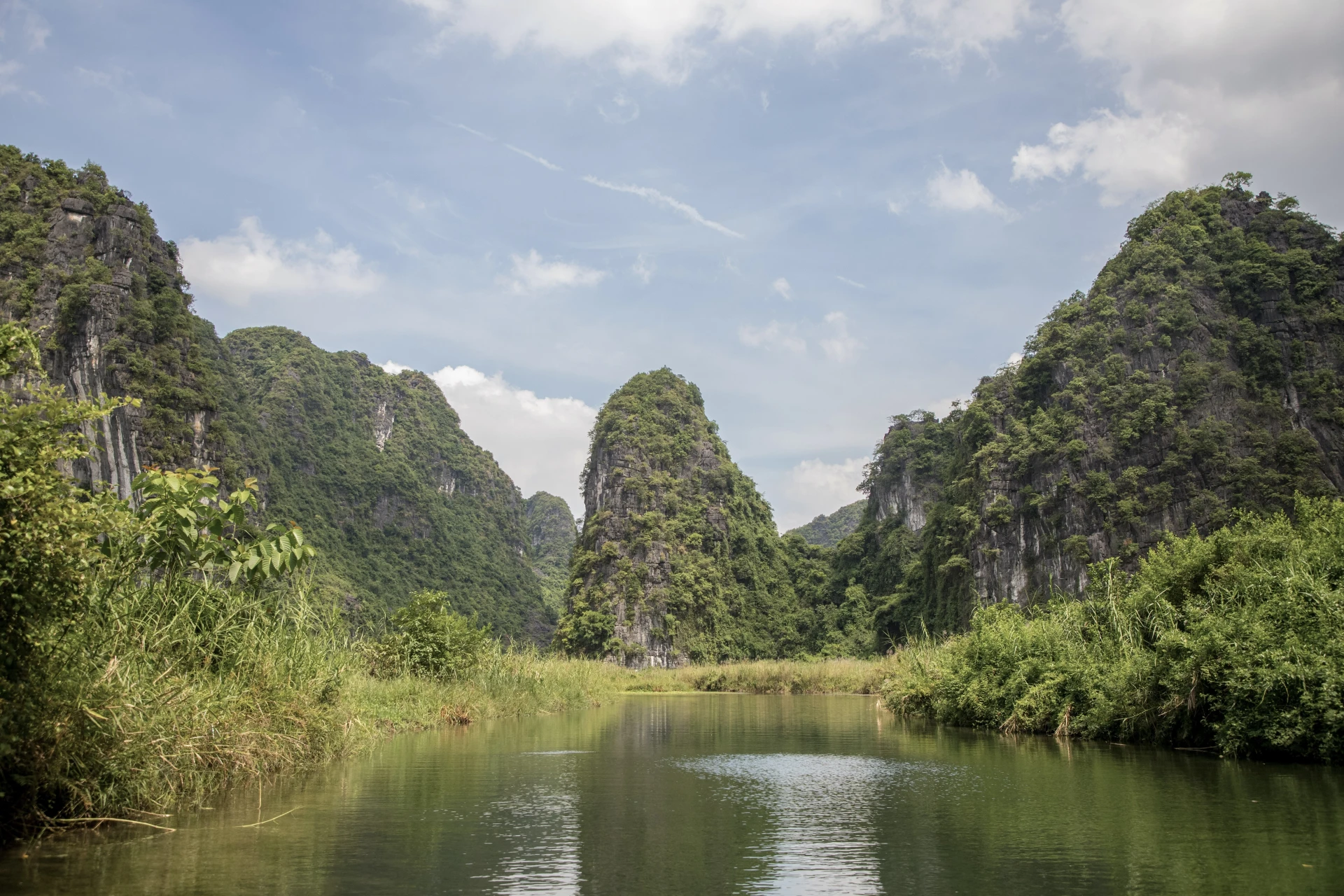
Seven days can hold two places if the journey between them makes sense. Pu Luong and Ninh Binh, for instance, offer different ways of being near the landscape: one through valley paths and mornings at the stay, the other through water and limestone. Their pairing still depends on where the trip begins and where it needs to end.
We would check that road before promising two complete stays. If an international arrival uses the first day and the return to Hanoi uses the last, another change of hotel may leave only one full day in each place.
There is no virtue in making seven days look full on paper. A quieter route gives each arrival a chance to become more than a check-in.
What the Road Takes
In Northern Vietnam, distance rarely tells the whole story. Road conditions, weather and the final approach to a stay all affect when the day really begins again.
After a long transfer, we leave the evening light. There is time to arrive, eat and learn the shape of the place. A demanding outing can wait until the next morning, when everyone has had a night away from the vehicle.
Sometimes the right decision is to keep another night where you are. Sometimes it is to remove a stop. Both give time back, without asking the traveller to experience the road as a gap to be endured.
Ten Days: Room for the Northern Mountains
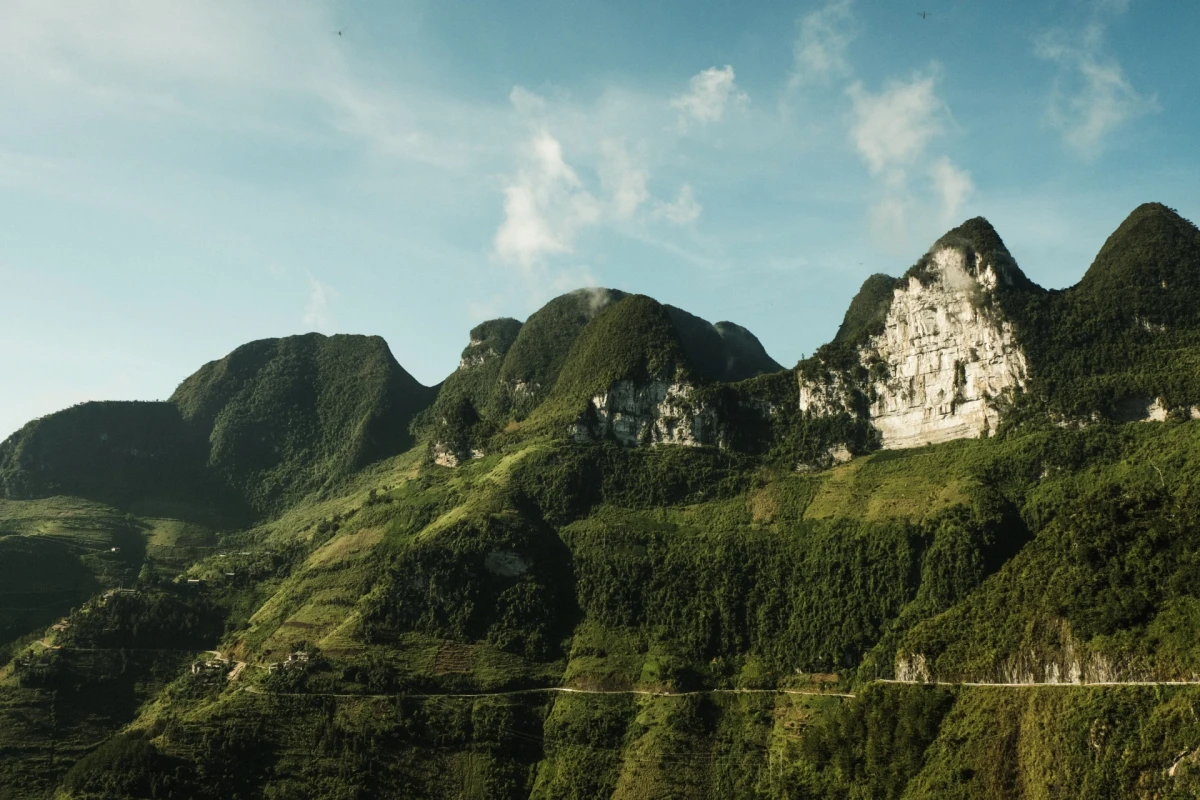
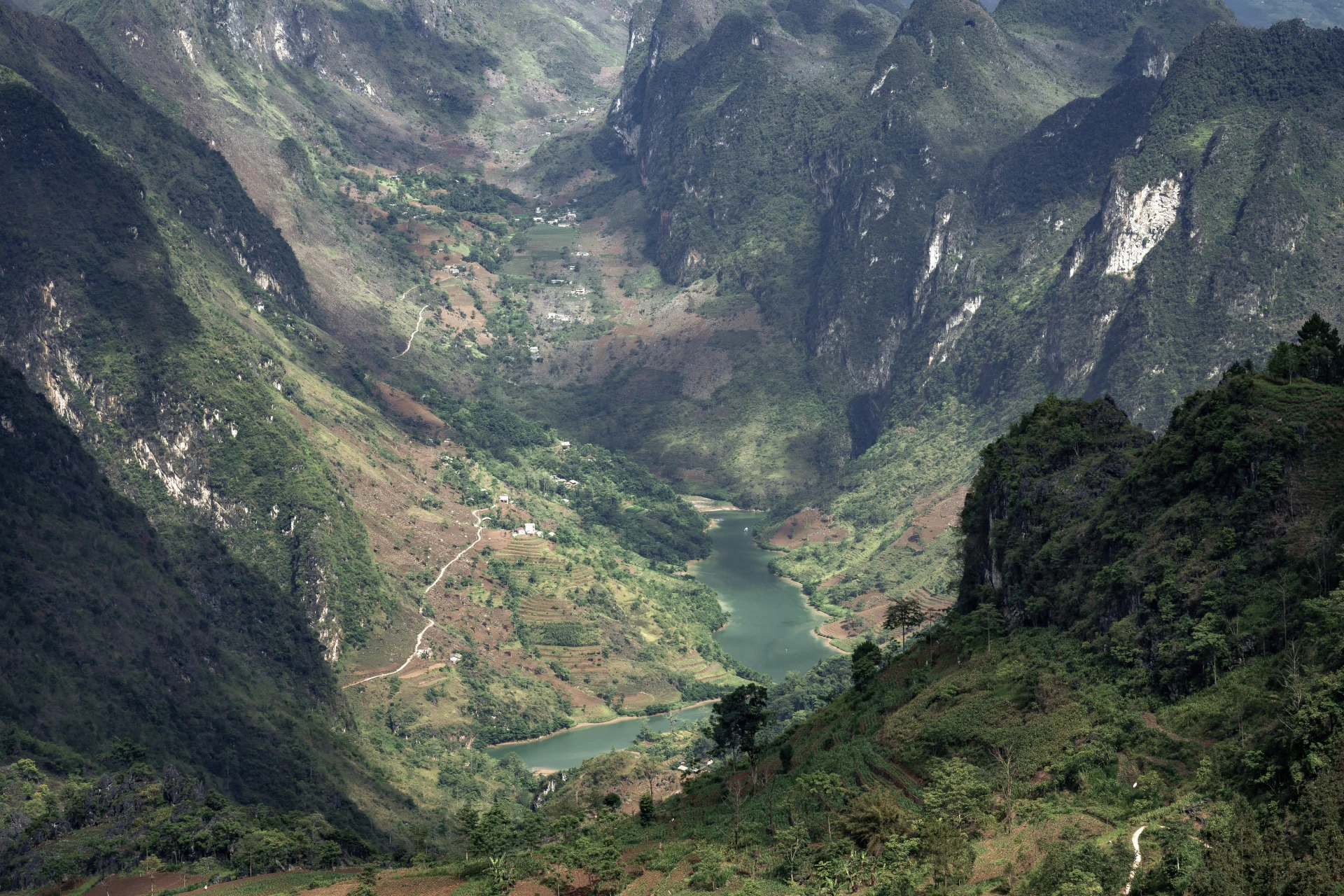
Cao Bang asks for a different calculation. The journey there is part of the experience, but it also occupies real hours. A brief stop centred on one sight would leave too little of the region itself.
Three or four nights give the road a reason to lead there. After arrival, there are days to move through the landscape, to spend time near Pac Bo, or to remain when weather changes what is possible. The return need not begin as soon as the place starts to feel familiar.
Ten days may allow a second region alongside Cao Bang. We choose that connection for what it adds to the route, then check the road and the return journey before making room for it.
What One More Night Gives Back
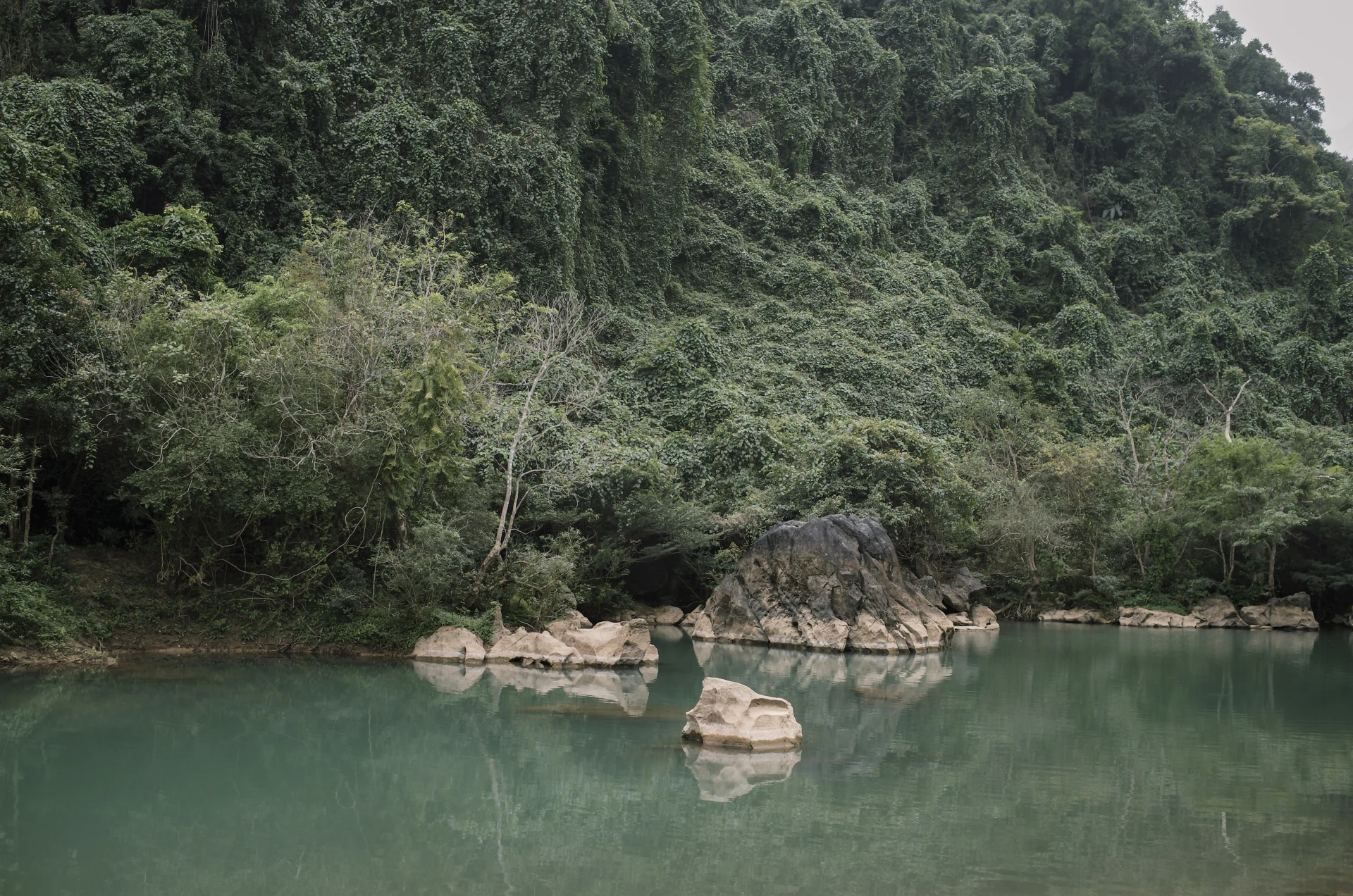
In Ninh Binh, an afternoon on the water changes with the light and the number of other boats. If there is only one available afternoon, the choice has already been made by the timetable.
Another night allows the day to move. A boat journey can wait for a quieter hour. Weather can pass without forcing a substitute plan. The morning after can begin without a departure.
The value of that night may not appear as an additional activity. It lies in being able to choose when to go, or when to stay.
Two Weeks: Let the Route Find Its Shape
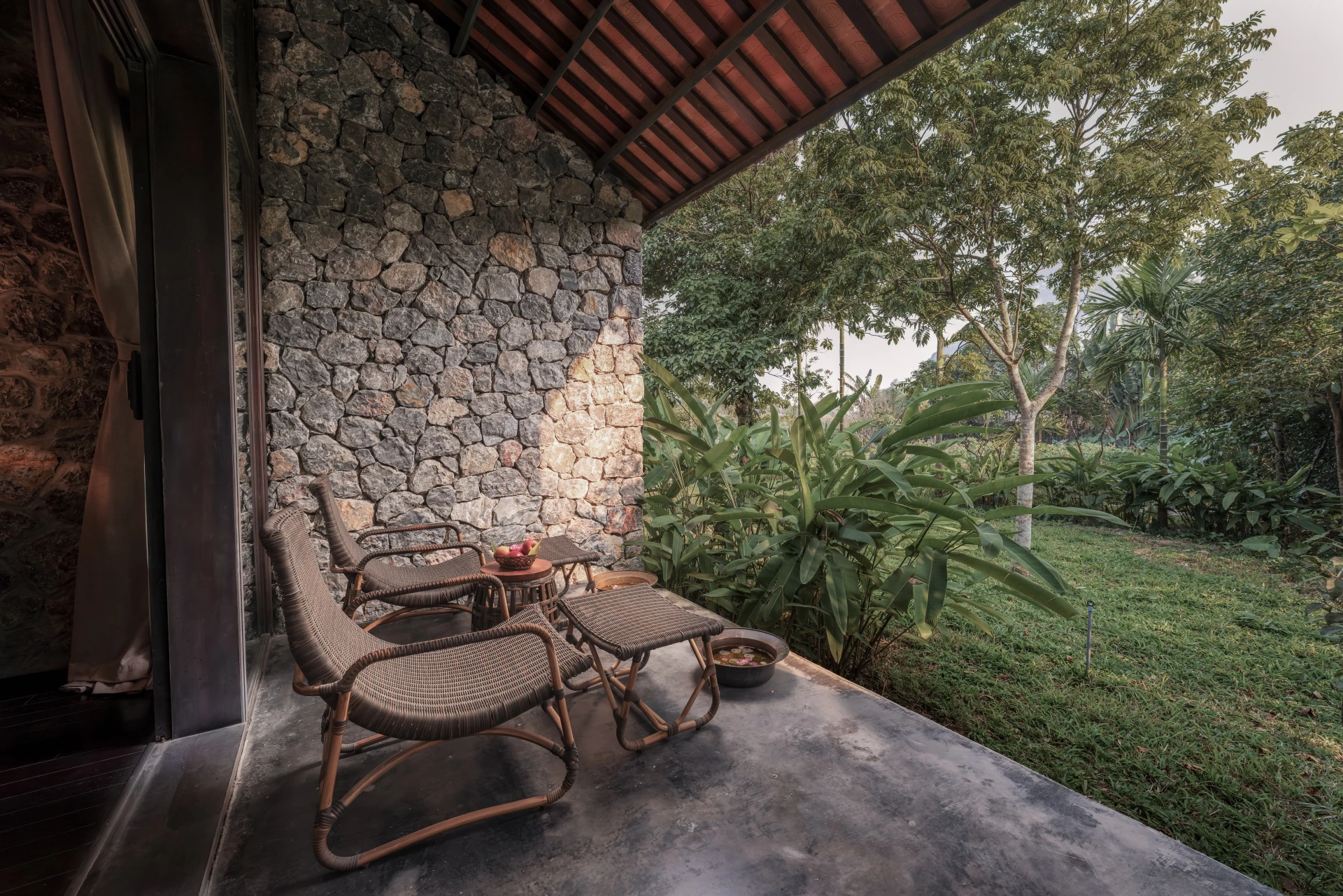
Two weeks make it possible to move between distinct parts of the North and still spend several nights in each. The longer drives can have space around them. A place worth returning to can be visited twice, once in different light.
A Northern Passage may bring valleys, waterways and the northern mountains into one journey. The work is in deciding how they connect: where to pause, which road earns its place, and which stop belongs to another trip. More time gives us choices; it does not ask us to use all of them.