A Different Measure of Distance
Across Northern Vietnam, distance is felt in the hours a road takes, the attention it uses and the condition in which a traveller arrives.
On a map of Cao Bang, Pac Bo and Ban Gioc appear as two named points within a single province. On the ground, that simple pairing is misleading. At Pac Bo, rock, clear water and national history are encountered at close range. Around Bản Gioc, river and limestone open the landscape towards the frontier. The distance between them is part of Cao Bang’s scale, not blank space separating one recognised sight from another.
The mistake is to place both names on a schedule and then compress the road as tightly as possible. When the hours in a vehicle are necessary, they need room for pauses and a sensible arrival. When that leaves each place too thin, something should be removed. Reaching every pin is not the same as understanding the province. The route has worked only if the traveller can still register the place at the other end.

What Kilometres Leave Out
A map measures length and suggests duration. It cannot show how the day will divide around that movement. Breakfast, departure, an unplanned pause, lunch and check-in do not sit outside the itinerary; they form its real footprint. Several hours on the road can occupy most of a day even when the vehicle is moving for only part of it. The relevant question is how much usable time remains, and where that time falls.
The same distance also makes different demands on different travellers. A couple accustomed to road days, a family with younger children and a group with older members should not inherit the same sequence. Private travel makes adjustment possible, but privacy does not cancel fatigue. It allows departure times, pauses and length of stay to be judged against the people actually travelling. Those limits belong at the beginning of the design, not after a standard itinerary has already been selected.

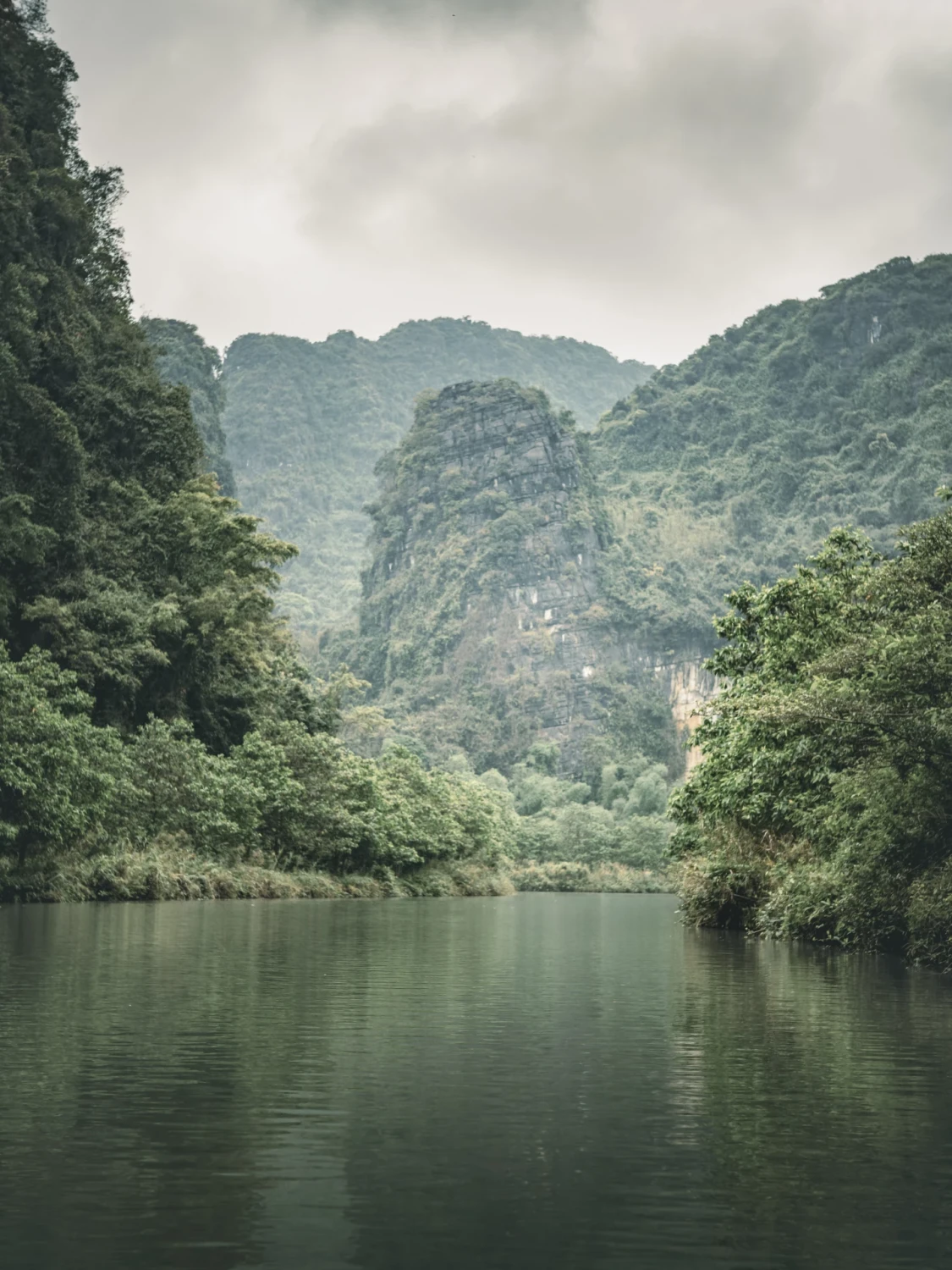
Ninh Binh reveals the inverse problem. Distances within the region can be relatively contained, yet Trang An, Van Long and the forest edge of Cuc Phuong do not become one experience simply because they can be joined. At Trang An, the landscape is read from the water between limestone formations. Vân Long asks for attention to a more open, still surface. Beneath the forest canopy, light and temperature change again. Nearness on a map does not make these settings interchangeable.
A stronger sequence protects those differences. An afternoon at Tràng An does not need to be followed by another headline stop. Time around Van Long can remain open enough for its stillness to register rather than becoming a brief interval before departure. Cúc Phương can begin at the forest edge instead of appearing as the final line in a crowded day. Each setting needs enough time to establish its own scale while the day retains a clear shape.
The Condition in Which You Arrive
A schedule may show a mid-afternoon arrival with daylight remaining. It cannot show whether the traveller still wants another drive, a guided visit or a planned walk. After sustained time in a vehicle, unpacking, coffee and becoming aware of the immediate surroundings may be the appropriate use of those hours. Treating them as unused capacity usually makes the day look fuller than it feels.
The practical consequence is often removal. If a region can only be reached late and left early, its place in the route should be questioned. A longer stay, a different sequence or one fewer destination may return more to the journey than another completed stop. This is where the VALE approach to planning becomes visible: in what is left out, and in the time protected around what remains.
When Movement Earns Its Place
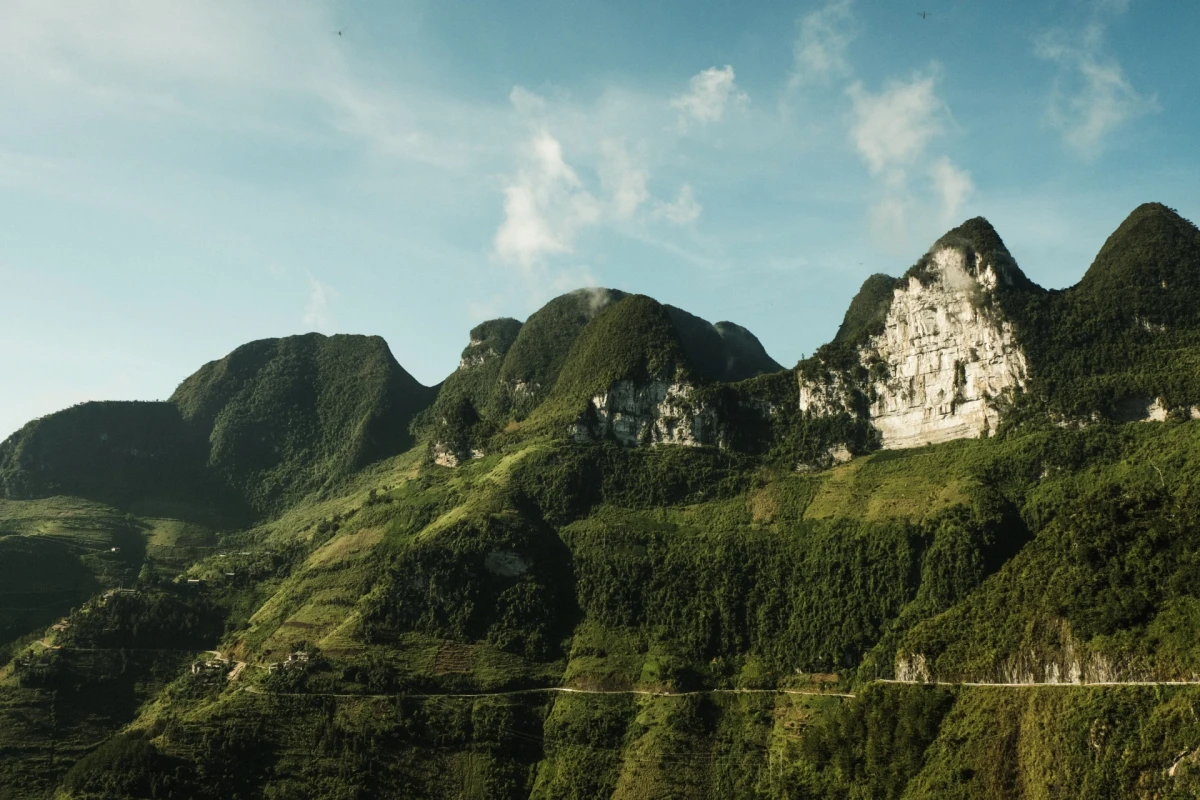
Road time deserves a place when it explains a change. Cultivated ground may narrow towards limestone, buildings may become less frequent or gather differently beside water. The road may move from an enclosed valley into a broader frontier landscape. None of these observations needs to become an attraction or a piece of constant commentary. Together, they help the traveller understand why the place of arrival feels different from the place of departure.
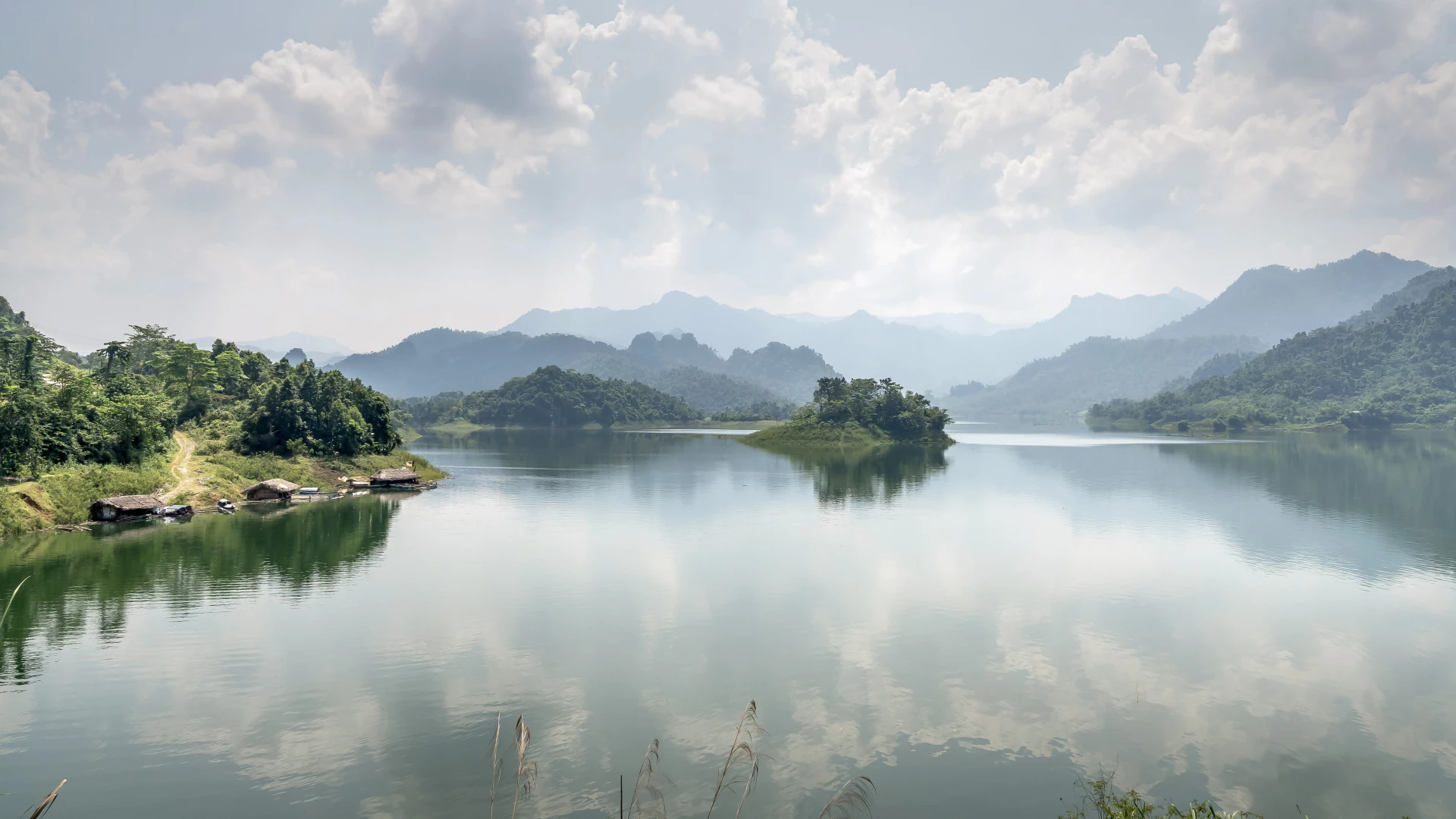
In Hoa Bình, a lake crossing offers another measure of movement. Distance is felt through open water rather than a succession of bends. When the crossing leads towards time beside the lake, the movement and the arrival belong to the same idea. Inserted merely as an activity before another drive, it loses that function. The crossing earns its place only when it changes the traveller’s relationship with the setting.

What becomes clearer because of this movement?What becomes unavailable because of it?
If the first answer is vague while the second includes a lost morning, a late arrival or another early departure, the route should be shortened. A destination may be worthwhile on its own and still weaken a particular itinerary. Possibility is not enough reason to include it.
One Region or a Northern Passage
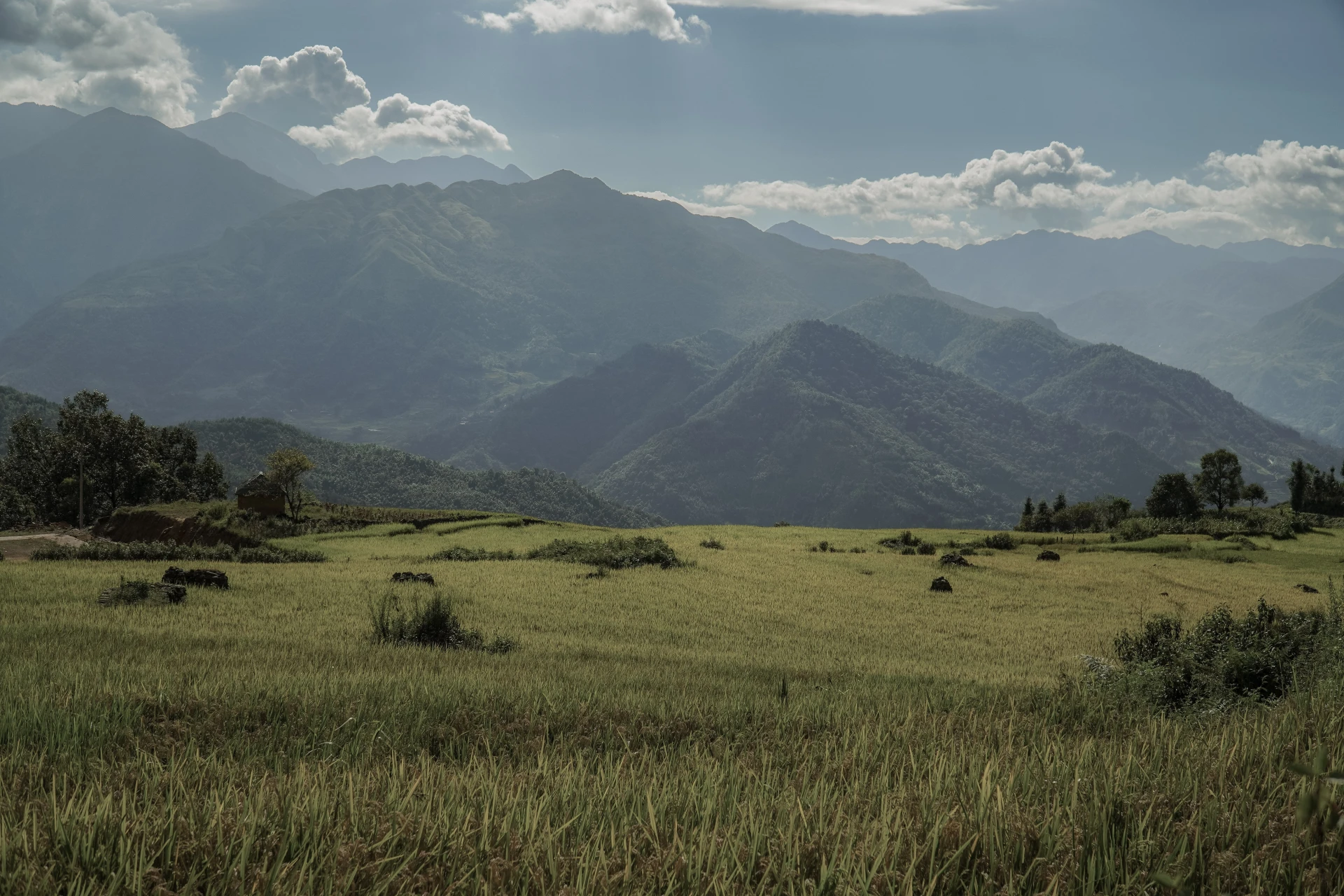
A second morning in Pu Luong gives the map no new pin, yet it can change the traveller’s reading of the valley. Mist may hold at a different height above the rice fields. Work may already be under way along another path. As the larger forms become familiar, attention moves towards smaller changes that were easy to miss on arrival. Remaining within the region creates continuity rather than repetition.
That continuity has practical value. Fewer departures mean less of the day arranged around luggage, check-in and the next road. Morning does not have to serve as a prelude to leaving. A route can begin later, return by a familiar path or be adjusted without disturbing the logic of the whole journey. The gain is visible in the proportion of the day that still belongs to the place itself.
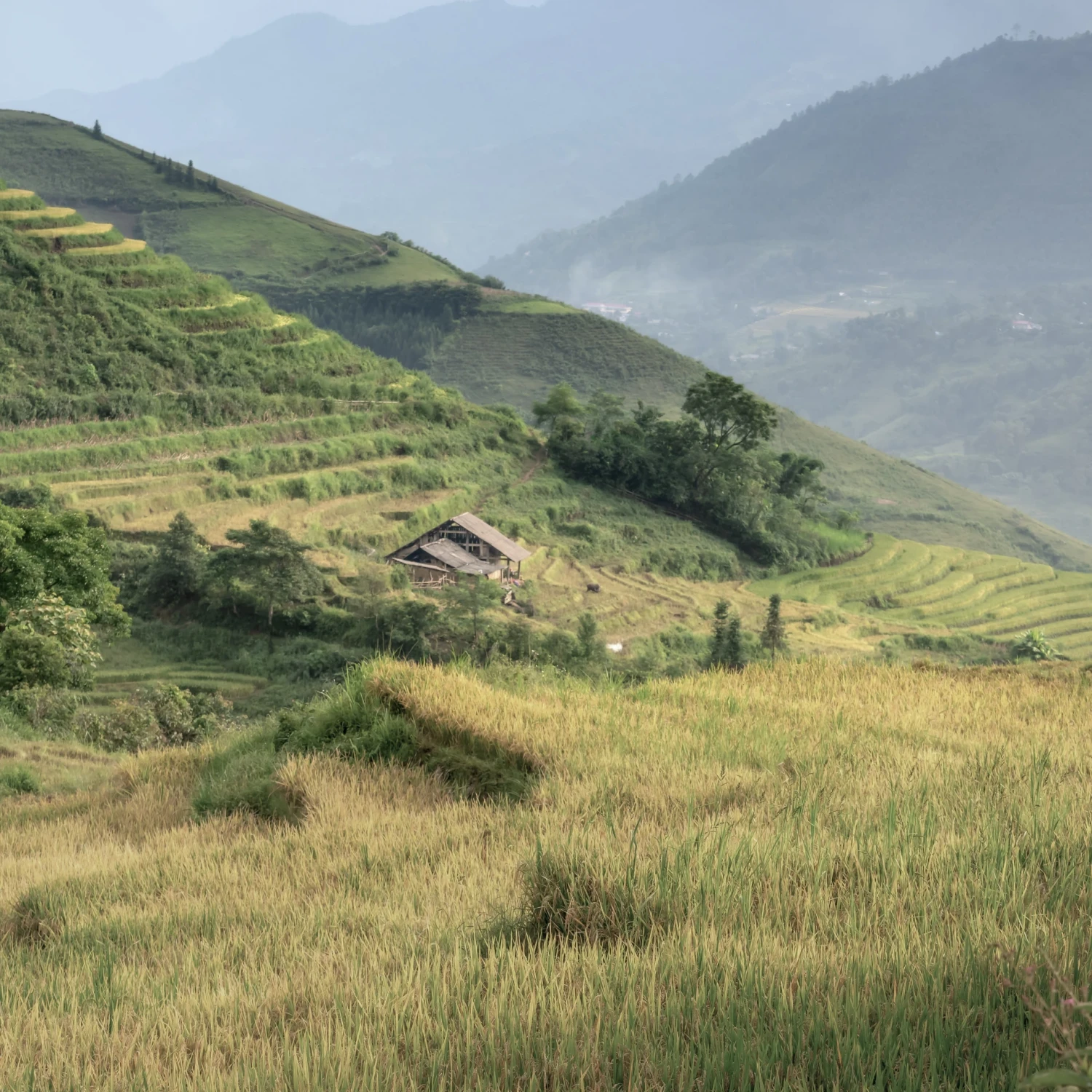
Connecting regions becomes worthwhile under a different condition. A Northern Passage needs a clear progression between two or more places, with enough time for each one to register before the road begins again. Contrast alone is insufficient. The sequence must explain why these regions belong together, and the transitions must leave the traveller able to notice that relationship.
More time does not automatically call for more regions. Additional days may be better used inside one territory than as justification for another transfer. The decision depends on whether the new region changes the journey in a way the existing one cannot, and whether the road between them can be carried without thinning both.
The map remains necessary. It exposes detours and prevents an itinerary from becoming wishful thinking. It simply cannot make the final decision. That depends on what the road reveals, what it asks from the traveller and what remains possible at arrival. Sometimes the right answer is another morning in the same valley. Sometimes the road makes the next region intelligible. A coherent Northern Passage begins by knowing the difference.