The First Evening
By the time the bags are inside and the door has closed, most of the day has already been spent in motion. The first evening rarely needs more from a traveller. It needs time for the road to fall quiet, for dinner to arrive and for the place outside the room to become more than a view.
On many itineraries, the hours after arrival look available. There may still be light, and a walk or short drive seems easy enough to add. The body often says otherwise. The room is unfamiliar. It takes a moment to work out where the path leads, how far away the roofs are and what can be heard once the vehicle has gone. A meal and a few minutes outside may be enough. The evening does not need to prove its value.
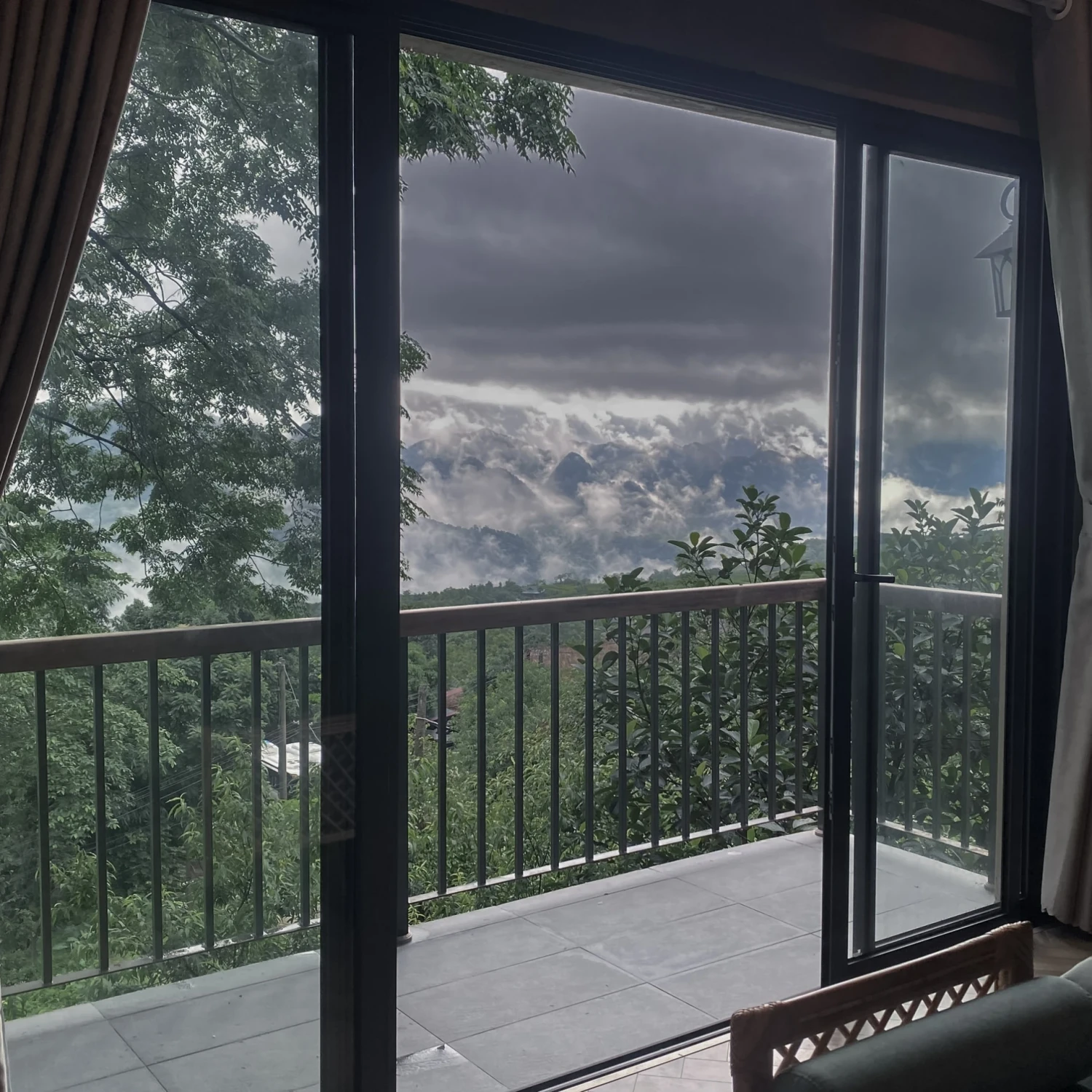
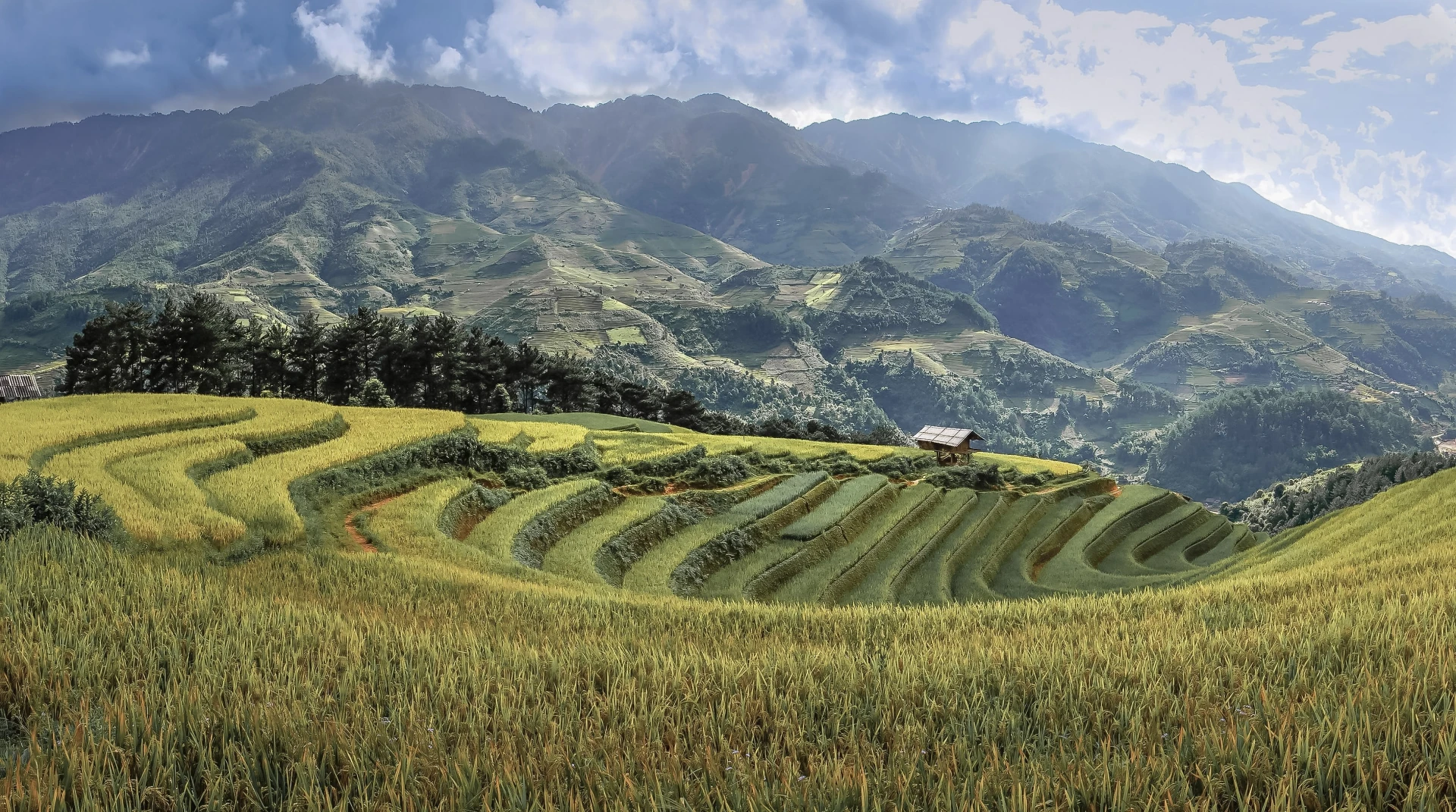
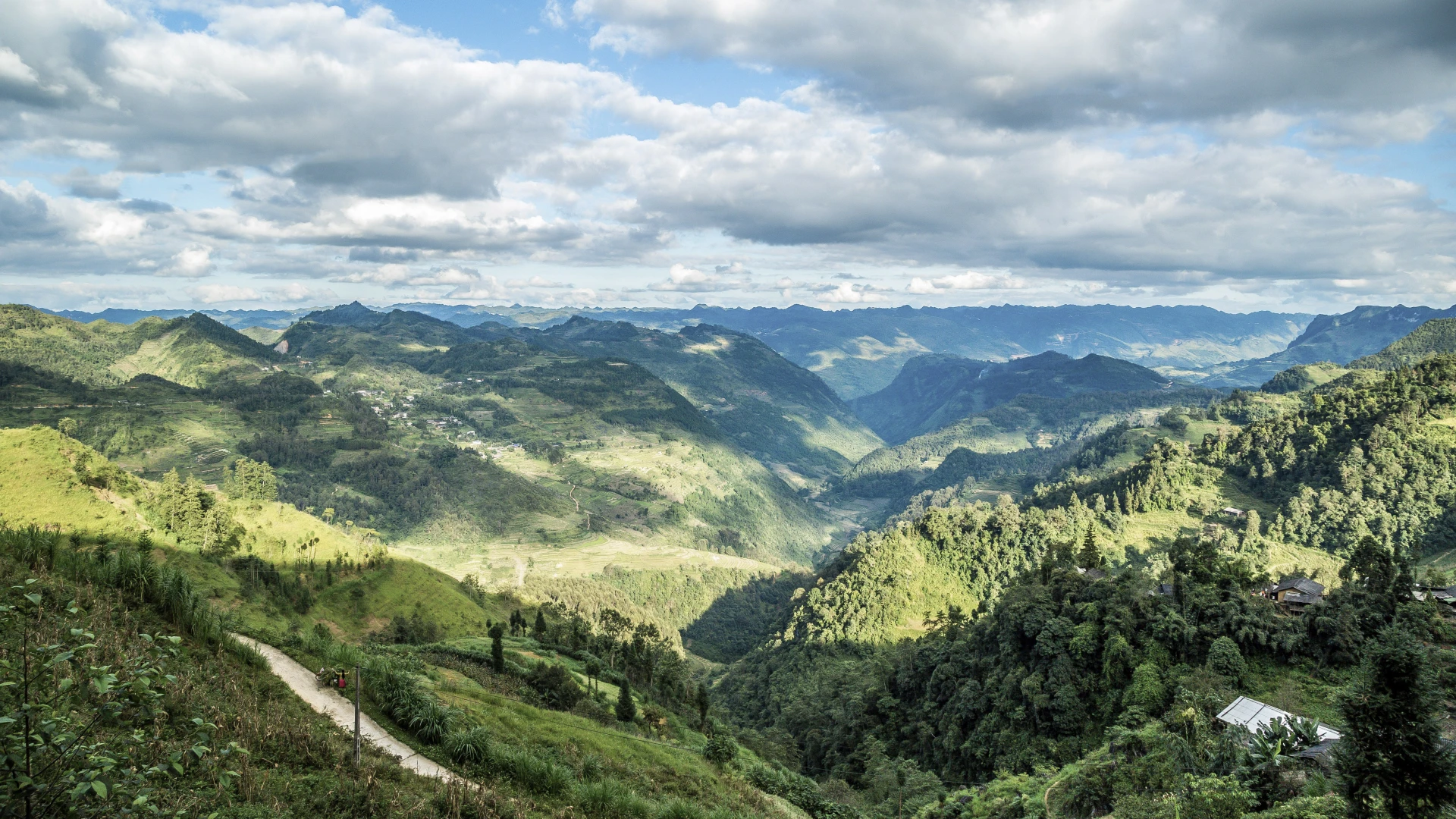
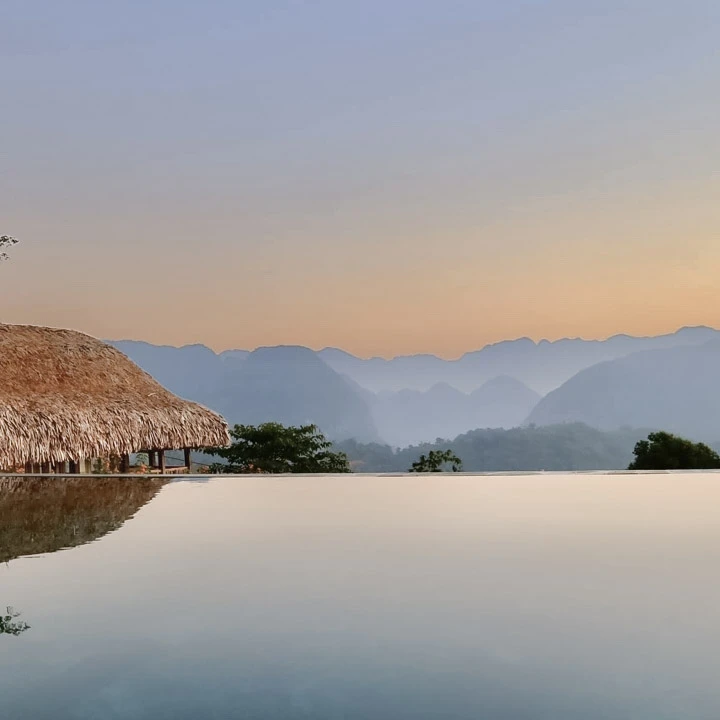
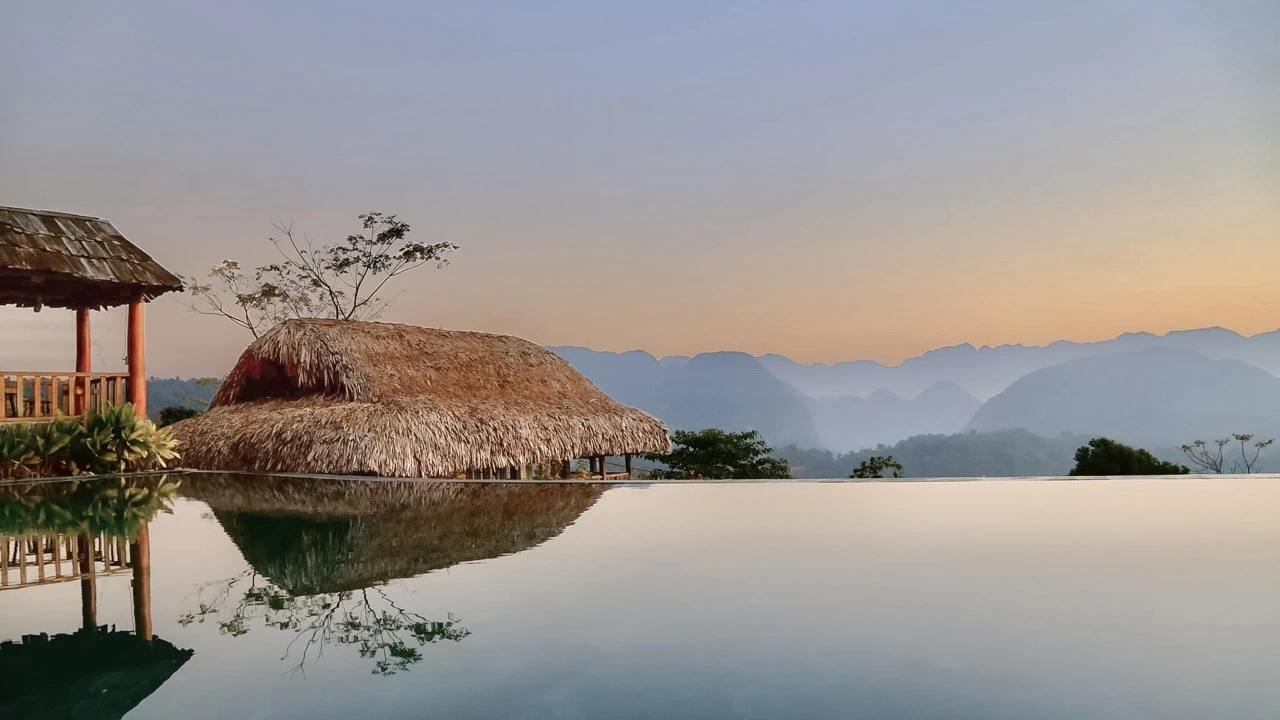
In Pu Luong, the valley appears between the final bends. Cultivated slopes fall away from the road, roofs gather below and light begins to leave the fields. By the time the engine is quiet, cooking smoke may already be rising from scattered houses. The air is cooler. Voices carry across the slope. The distance that appeared only briefly through the window is suddenly still.
After the Vehicle Has Gone
For the first few minutes, attention stays with practical things: which bag to carry, where the key has been placed, whether there is time to wash before dinner. Other details arrive later. There is water somewhere below the path. The air through the open door feels different from the air beside the road. What looked flat and distant through the window begins to make sense as a real landscape.
People settle differently. One may want to walk as soon as the bags are inside. Another may sit by the window until dinner. Conversation might continue, or it might fall away for a while. There is no reason to turn these different responses into one shared activity. The evening has enough room for everyone to find their own way into it.
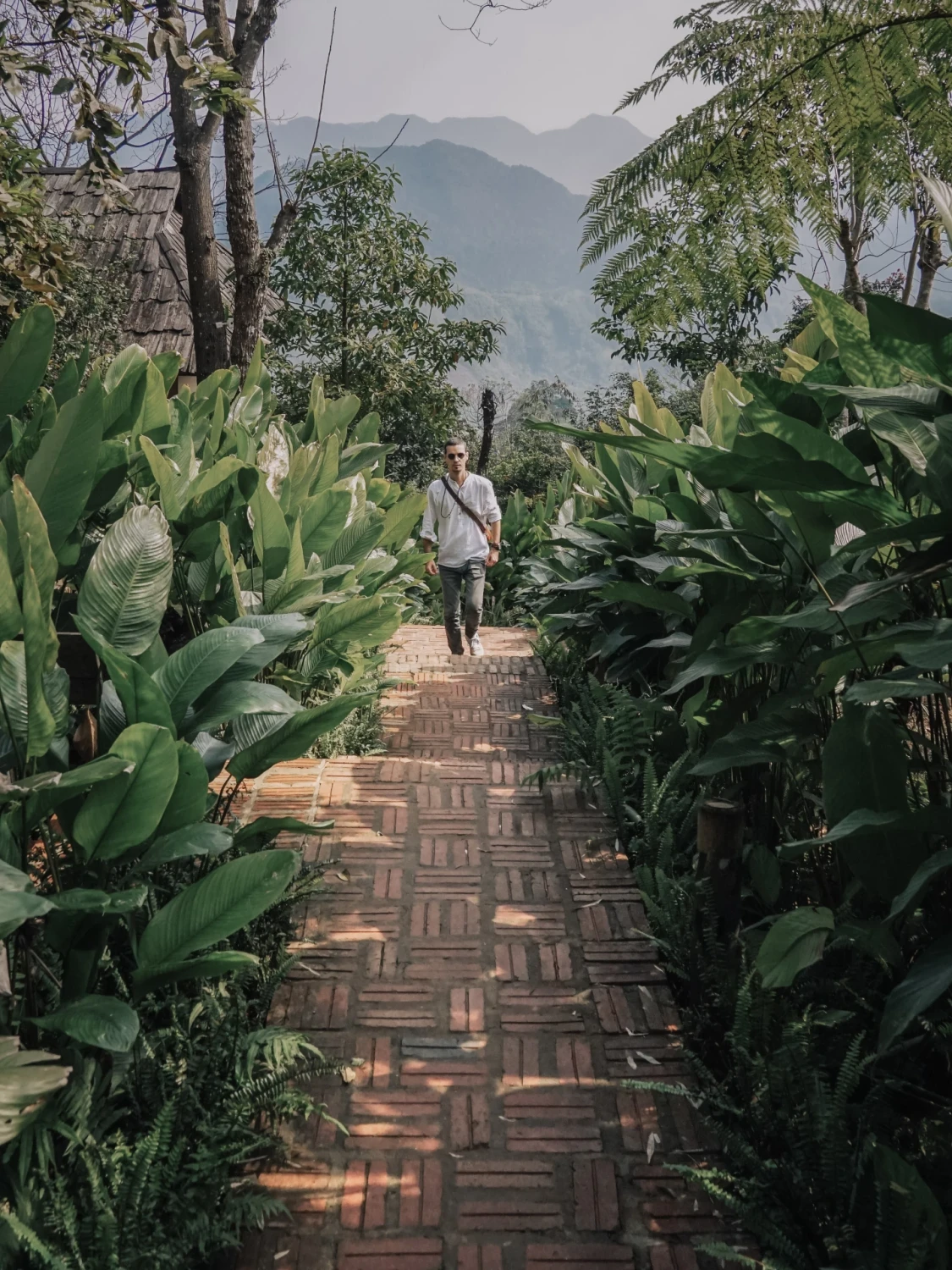
Later, the path to dinner is walked once in the remaining light and again after dark. Shoes are left by the door. The last light makes the direction of the valley easier to understand. These are small things, barely worth recording on a schedule. On the second walk back to the room, the place no longer feels entirely unfamiliar.
The Body Arrives More Slowly
Usually, what is needed first is ordinary: water, a shower, clean clothes and a meal at a sensible hour. Once those needs are met, there is less of the day left to manage. Until then, even a remarkable view can remain little more than a background to tiredness.
Dinner does not need much explanation. Food arrives, someone asks for more rice and conversation returns in fragments. For a while, nobody has to decide what happens next. The place enters quietly through what is on the table, through the cooler air at the doorway and through the sounds of a household finishing its day.
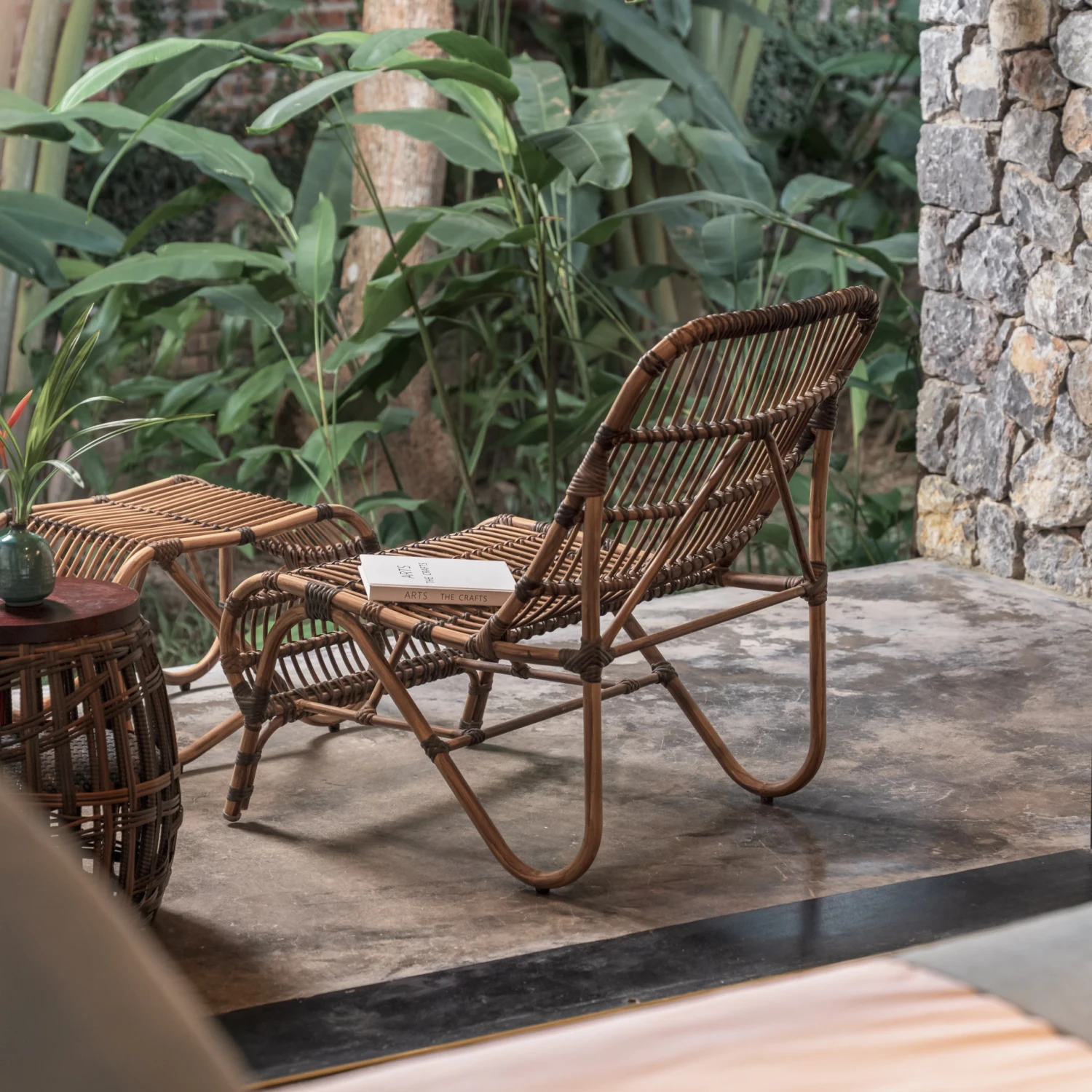
An hour after dinner may pass without much to show for it. Perhaps a book is opened and forgotten. Someone walks a little way down the path and comes back. Outside, voices thin out as the last work of the day ends. Time like this feels different from an empty box on an itinerary because nobody is waiting for it to produce an experience.
What Evening Reveals
Once the light begins to go, distances change. Paths become quieter and voices carry from further away. A garden, field or stretch of water that seemed separate on arrival starts to belong to the wider landscape. There is no need for anyone to explain the change. It is visible from the same chair, a few minutes later.
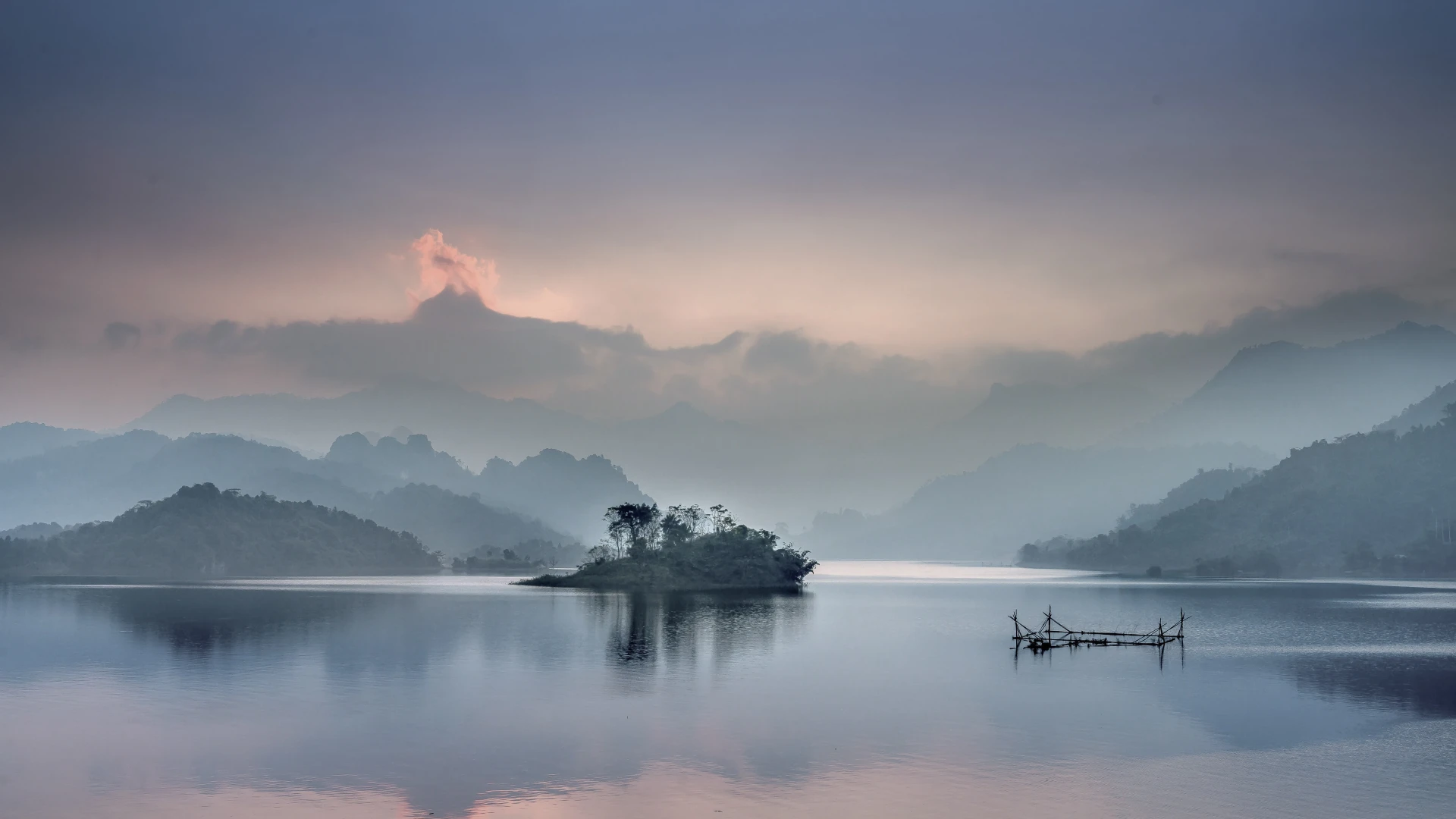
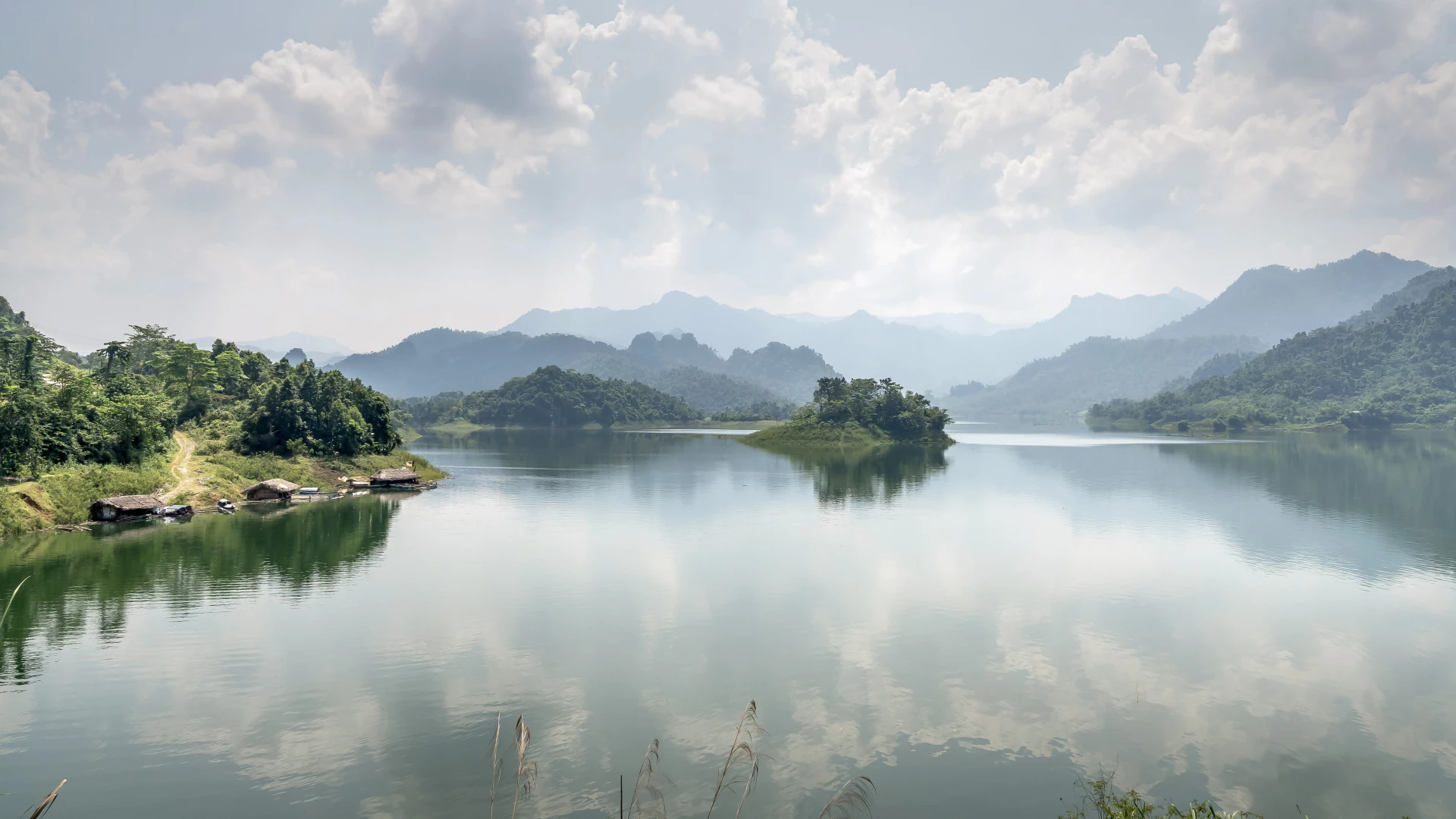
Beside Hoa Binh Lake, this may mean remaining on shore as the surface loses its reflection. A boat crossing would offer another view, but movement is not the only way to understand the water. The opposite shore grows less distinct. A working boat returns while there is still enough light to see its wake. As detail disappears, the scale of the lake becomes more apparent rather than less.
After dark, footsteps make the path easy to follow even when its edges have disappeared. One lit window shows the distance to the next house. Insects gather near the eaves, kitchen sounds travel further and the temperature drops beside the water. None of this is dramatic. It is simply the point at which the landscape stops being only something to look at.
The first evening is not spare time. It is where arrival begins.
By morning, a few things are already known: where the light enters, which direction the path leads and what lies beyond the room. There is no need to work everything out at once. The day begins from somewhere that has already been seen in another light.
The First Morning Begins Here
The way a journey is arranged is easy to see in what happens next. If everyone must be ready for another visit, they are still following the schedule long after the vehicle has stopped. If dinner can move earlier or later, and a walk can be taken or ignored, the evening remains connected to the people actually living it. Sometimes the only decision needed is to leave the rest of it alone.
No rule says the first evening must be silent. A short walk may feel right. Conversation may continue after dinner, or someone may stay outside as the air cools. The difference is that these things happen because they suit the moment, not because the itinerary needs another line.
By morning, very little may have happened in the conventional sense. Dinner was eaten. A path was walked twice. The room is no longer unfamiliar. That is enough. A journey need not begin with a completed visit. It can begin with the quieter moment when a traveller looks outside and knows, at last, where they are.